Pages

Showing posts with label Munia. Show all posts

Monday, 6 April 2026

A tale of two twitches


Before my birding tour in central Thailand ended, it came to my attention that Yellow-breasted Buntings were also seen and photographed at the Bluethroat site back in Penang. To have two mega rarities literally together of which one is critically endangered and a global lifer for me was too good to be true surely. But the images surfacing in social media say otherwise. Well, my pending visit to the locality escalated from gradually to urgently. I had ample time at the airport when I waited for my flight back to Penang. Normal folks would be homesick and all that but I am a birder and we are a breed apart. As I sipped my over-priced coffee at one the cafes, there was only one mind on my mind – Yellow-breasted Buntings. A plan was formed before I boarded the plane. By the time I climbed onto bed, it was midnight. At the break of dawn, I found myself at the grasslands of Kubang Semang in mainland Penang for my first twitch in years. I have not had so much excitement in my birding life for a long time and it was invigorating to say the least.

It was a Monday and the chosen day was also part of the plan. A mega like the Bluethroat will have any place in Peninsular Malaysia crowded especially when the bird is stable and regular. Add another mega into the mix and you do the math. It was empty when James and I arrived at the site. Just as I was about to pat myself on the back, other like-minded ‘bird’ people started pouring in. And I guess a working Monday is not much of a hindrance after all. The male Bluethroat, as expected, did not take long to reveal his stunning presence. Having just experienced a similar encounter less than twenty-four hours ago, the usual thrill of a successful twitch was a little lacking.


All my years of birding has taught me quite a number of things and taking birds for granted is not one of them. I continued to shower the Bluethroat with attention while James and a few others who have spent enough time with the Bluethroat last week, were on the lookout for the Yellow-breasted Buntings.


An Oriental Reed-Warbler wandered into view and this common but at times elusive migrant, warranted some attention as well.


When anxiety set in, I set everything aside and focused all my attention in finding the main reason behind this rare weekday excursion. It was a hive of bird activities at this patch of grasslands. As fate would have it, I have the Baya Weavers to thank for this bustling atmosphere. And I do not mean it in a good way. The similarities between a female Baya Weaver and the buntings were undeniable. Inevitably, every movement by the former will have my bins locked onto them and there were about a dozen of them around.


The Munias can never to be mistaken for the buntings but their movement will occasionally distract me from my quest. The majority of these adorable birds were White-headed Munias. On any other day I would have invested some time and effort to document them but today is not the day.


The same can be said about the Black-headed Munias.


As the day grew hotter, fatigue and frustration heightened. I was distracted by the Baya Weavers so often that I can now recognise their jizz in an instance. And a lone bird foraging at a short distance do not strike me as one of them. Before I could switch to my camera, my lifer took off but I alerted the rest of its presence nevertheless. Soon after, a Yellow-breasted Bunting popped into view and there was no denying its identity now. However, there was no icing to the cake. I can blame it on my gear or even old age but it will not change the fact that this horrible image was all I have to show at the end of the encounter.


The outcome of the twitch was a bitter pill to swallow. I am well aware I could have just as easily missed the Yellow-breasted Bunting altogether. I refuse to believe that my experience with this species will be nothing more than a case of so close and yet so far. No, there has got to be more and I have to make sure of that. Four gruelling work days had to pass before a re-visit was possible. The resident Bronze-winged Jacana which used to be a rarity, was the first to greet me during my second attempt at the critically endangered Yellow-breasted Buntings.


The present status of this vagrant is a sad tale indeed. It used to be common where it naturally occurs but common does not mean invincible if share your home with humans. Rampant trapping and hunting have driven the Yellow-breasted Bunting to the brink of extinction. The world does not need another example like the Passenger Pigeon to show just how fragile the wellbeing of wildlife can be. And now, there are at least three individuals wintering in my neck of woods. It will be a shame if I do not give it my all to connect with this species before it is too late. Minutes turned to hours and still no signs of the celebrity birds despite the number of eyes looking for them. Naturally, I was not alone as it was the weekend after all.


Nothing is ever a sure thing when it comes to birding. It does not matter how skilled you are or how meticulous is your planning and strategies. If the bird does not want to be seen or photographed, there is nothing you can do about it. Fortunately, luck was on my side and a Yellow-breasted Bunting suddenly decided to alight in front of me. There is a God after all.


From the images posted on social media, one of the birds was an adult male and the other two were either first winter or female birds in different stages of moult. The individual that I was staring was not the adult male and that was the only thing I can be sure of at that time. Opinions from knowledgeable friends and resources online indicated that it was a female. Although not as striking as a male bird, she has more than enough captivation to leave a lasting impressive.


Best of all, she was obliging enough to allow all those present to obtain photographic memories of the encounter. And all the earlier ill feelings she and her kin caused, was forgiven.


Almost immediately after she retreated, a second bird was spotted. However, it could not live up to the first encounter due to the distance. The second bird also turned out to be a female but her underparts are more heavily streaked and lacking the colour intensity.


When she took flight, another individual followed and I can only assume was the first female. And that concluded my observation of the Yellow-breasted Buntings. I found my closure in the end and the world is a beautiful place once again.


Just in case you are wondering, the handsome male Bluethroat was still around and performing for a number of admirers since morning. However, it was the female Bluethroat that caught my eye today. It is common knowledge that the duller female was the shyer of the two at this location. Anyway, it was a record shot more than anything else but completed my observation of the rare Bluethroats as well.


A surprisingly confiding Yellow-bellied Prinia held me back from my making my journey home. Like what I mentioned earlier, nothing in birding should ever be taken for granted and even the commonest species deserve some attention especially if they are performing well like this.


Thursday, 16 December 2021

A world record holder


The morning was bright and beautiful as I made my way across the Straits of Malacca. Initially, I just wanted to do some casual birding on the island but not a single locality came to mind. Utterly fatigued from the insane work load of my fulltime occupation, to make a long trip today was simply out of the question. The next best thing was to visit a local patch in mainland Penang and since choice is never a luxury there as well, I found myself wandering about the network of concrete boardwalks at Air Hitam Dalam again.


Perched conspicuously at the edge of the freshwater swamp forest was a Brown Shrike on the hunt. This common migrant can hardly be considered a sought-after species but the composition was so inviting and the bird, exceptionally obliging.  


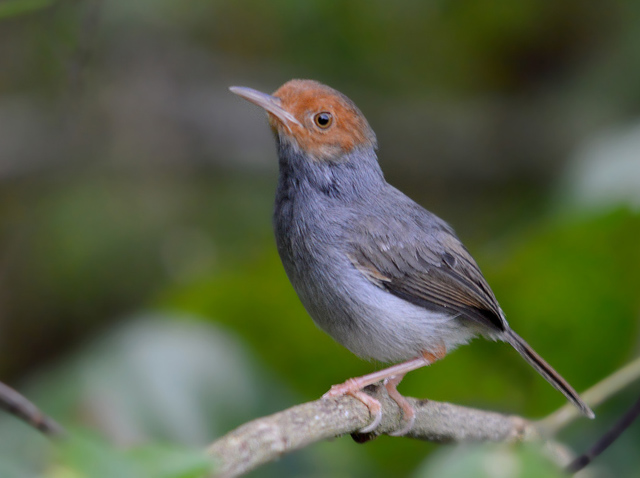
I found the forest eerily quiet today. This birding haunt has lost much of its luster of late – just like most other sites I frequently visit. As my footsteps grew heavier, my thoughts started to drift until a vocalizing Ashy Tailorbird shattered the silence. It took some effort and patience before I found the bird and it turned out to be a handsome male. It is amazing that a small bird like the Ashy Tailorbird can cause such a ruckus. He certainly had the place all to himself this morning and that indirectly increased the decibel of his persistent territorial call.


The Air Hitam Dalam Educational Forest is a small site and with absolutely no relevance at all, it is also home to the tiny but deadly Black-thighed Falconets. The top of this particular dead tree is not exactly ideal to capture the smallest bird of prey in the world due to its height but it is one of their favourite perches. And sure enough, I could just make out a single bird present with my naked eye upon my approach.


It was joined later by another of its kin and judging from the amount of public affection exhibited, they are most likely a breeding pair. Like all raptors, the larger bird is most likely the fairer sex. There is no denying the stunning beauty of Black-thighed Falconets and naturally, I found it hard to pull myself away from the lovebirds.


However, do not be fooled by the adorable appearance of the Black-thighed Falconet. It is an accomplished predator in its own right and this unfortunate dragonfly found that out a little too late.


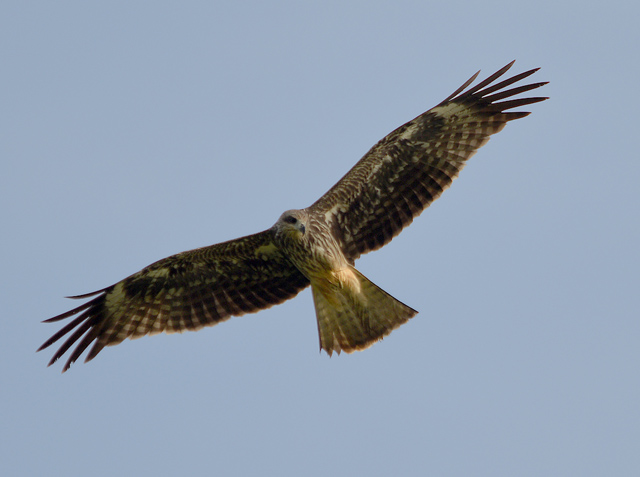
At this site, a congregation of raptors leisurely soaring about can only be the wintering Black Kites. I quickly repositioned myself in order to have the lighting in my favour. About a dozen of these raptors were present today and a few of them circled exhilaratingly close overhead.


Sleek and elegant, the Black Kites floated and swerved their way to become one of the main highlights of this short trip. The sunny condition aided my photographic efforts. And the number of images shared here in this post will be able to accurately illustrate my feelings during the encounter.


One last photograph for good measure...


Unlike the winter visitors, there is only one resident pair of Brahminy Kites here and the rising temperature set them soaring about the vicinity as well. Although they are more vibrantly coloured, the Brahminy Kites did not provide much opportunity for this quality to be admired as they were skittish as usual.


Raptors are one of my favourite birds and I am sure I do not speak for myself. Their ferocity and majesty are often incomparable. When the piercing call of the Crested Serpent-Eagle filled the vicinity, I could hardly contain my excitement. The presence of so many raptors in such a short time can be overwhelming to say the least and I intently watched this eagle with a taste for cold-blooded prey conduct an aerial patrol of its domain.


Although it is not a bird of prey, the Asian Openbill casts a familiar silhouette in the sky during this time of day. This stork that can sometimes number up to a hundred strong, soars effortlessly on its immense wings and is quite a sight to behold.


Like the Asian Openbill, the Little Cormorant is also a recent colonizer to Peninsular Malaysia that is settling in well indeed. This lone bird, presumably taking a breather after raiding the commercial fish ponds, drew my gaze back to ground level. Big flocks are not commonly encountered in my home state and more often than not, it is particularly wary of human presence. Luckily, there was a lot of objects to help hide my human form as I stalked this skilled hunter.


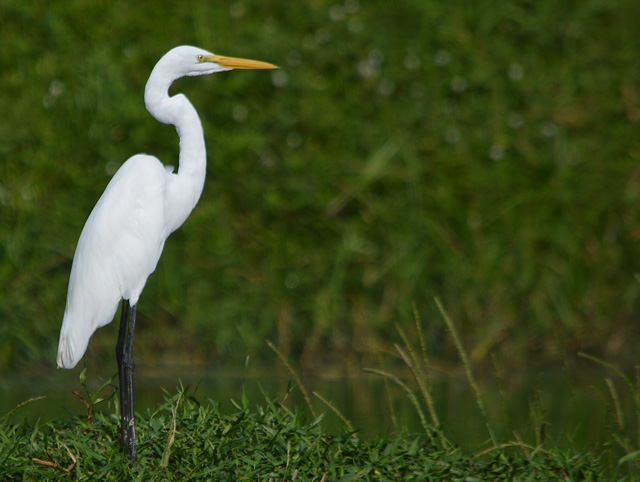
Egrets of all shape and sizes also loiter around the ponds with the same intentions. Like the name implies, the Great Egret is by far the largest and undeniably regal.


The Little Egret may not be the smallest by it is still dwarfed by the presence of the Great Egret.


An adult Purple Heron tried its best to remain inconspicuous while resting at the edge of the fish farm but its plumage colouration was just too attractive not to take notice.


Decades of birding should have made me an observant man and yet, I did not realize there was an adult Grey Heron in the vicinity until it took flight set off no doubt by my intrusion. It alighted on a nearby tree and this lucky shot of the landing turned out better than I had anticipated.


Some movement among a patch of long grass turned out to be a pair of White-rumped Munias feeding on grass seeds. The availability of food made them reasonably confiding and I took the time to observe the feast. Munias are considered to pests by the agricultural industry but to me, they are just living things trying to survive in this hostile world.


Due to its abundant nature, the Pacific Swallow is usually ignored. That is a real shame because when seen in good light, this aerial specialist is strikingly beautiful and streamlined to perfection.


I have had enough share of leech bites to know when I have fallen victim again to this blood-sucking parasite. It may have been a long time since the last time but there was no mistaking the squishy feeling between my toes. As I was about to attend to this little inconvenience, the cheerful song of the Black-naped Oriole distracted me from the task at hand. The leech bite can wait but this stunning bird will not. Although it even occurs in residential areas, I find it difficult to obtain decent images. And here, along the line of tall riverine trees, it is not any easier.


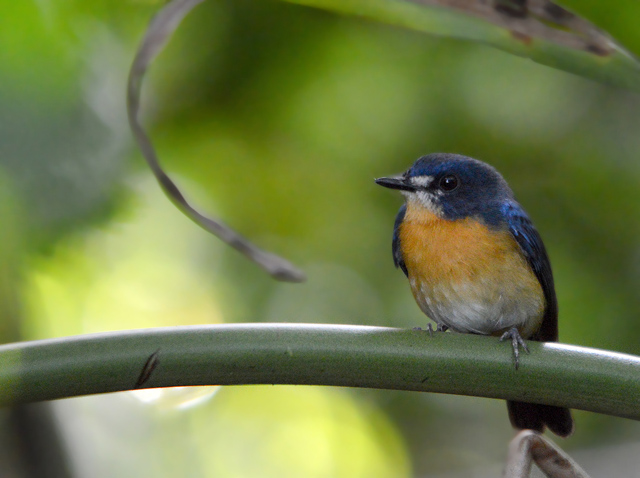
I would have walked past this female Mangrove Blue-Flycatcher on the way to my parked car if not for her short burst of song. The forest undergrowth can sometimes be a challenging environment for photography and my modest gear could not capture her true beauty on this occasion. This species is not as prominent here as it used to be and that is disheartening. But her presence today meant that there is still hope and what better to end a birding excursion than on a positive note.


Monday, 5 July 2021

A lily-trotting rarity


I have not been out birding as often as I used to but reports of a pair of Bronze-winged Jacanas at the marshlands of Batu Kawan awoken something in me that has been dormant for too long. It was just a matter of time before I made my way to seek out this scarce resident. Unlike in neighbouring Thailand, only a couple of sites in the northern state of Perlis is where this species has been recorded with any regularity in recent years.

It was a gloomy morning and with no signs of the jacanas upon arrival, the atmosphere was less than cheerful for my company and other like-minded birders. A White-browed Crake almost had us fooled when it caused some movement among the floating vegetation. But a Bronze-winged Jacana is just too stunning to be mistaken for anything else.


Migratory Reed-Warblers, as the name implies, find refuge here in the reeds as well. However, they can hide remarkably well if they want to. Today, only the Black-browed Reed-Warbler managed to find its way into my memory card.


When the celebrity birds finally revealed themselves, the joy was short-lived. Perhaps the presence of too many humans did not go well with the Bronze-winged Jacanas and they kept a safe distance throughout our observation. The poor lighting condition only compounded my dismay. Emotions aside, there is no denying the significance of this first state record. Enjoying the true resplendence of this lily trotter will just have to wait another day.


The pair was showing signs of breeding and we were even given a short courtship display. Inevitably, throng of bird photographers came for these beautiful water birds and some were overly enthusiastic and creative in their quest.  Shortly after our visit, Malaysia came under lockdown again due to the pandemic. I guess it was a blessing in disguise as the stricter movement control order gave the Bronze-winged Jacanas a chance to raise a family in peace. At the time of writing, the chicks have long fledged despite all the disturbances the nesting pair had to endure initially.


Without any indications of improvement shots for Bronze-winged Jacanas, I started to give the other species present their due attention. Unfortunately, there were not many around. A lone Asian Openbill was close enough for a record shot but not close enough to evoke anything else.


My best effort today should be of this adult Purple Heron resting all so elegantly among the reeds. It remained unperturbed by my presence and on a trip where good images are hard to come by, this common but striking heron provided the magic.


A good number was present in the vicinity today including juveniles pointing to a successful nesting season. Penang, my home state, is one of the busiest in the country. It is constantly being developed and sometimes at an alarming rate. Call me a pessimist but I can see no happily ever after for the colonies of Purple Herons here. It is just a matter of time before development displaces this wildlife refuge.


The absence of some of the usual water birds today was disheartening and the walk along the access road was long and tedious. A Malayan Pied-Fantail literally stopped me at my tracks when it suddenly alighted on the road not far from me. It was not exactly in pristine condition. Probably had a rough day so far as well but it did well enough to brighten up the day.


Chestnut Munias are the commonest munia species here and a small flock foraging along the edge of the reeds had my undivided attention. Like the Fantail, they were confiding and provided some cheer before the rains concluded the trip.


Three months have past since that gloomy morning with the Bronze-winged Jacanas. Due to the increased severity of the coronavirus in the country, it was my last birding excursion. It is a dark time now and life is shrouded with uncertainties. However, I always believe nothing lasts forever. Not even a global pandemic. To wrap things up for this time is not an image but rather, a cliché quote by Friedrich Nietzsche - that which does not kill us makes us stronger.